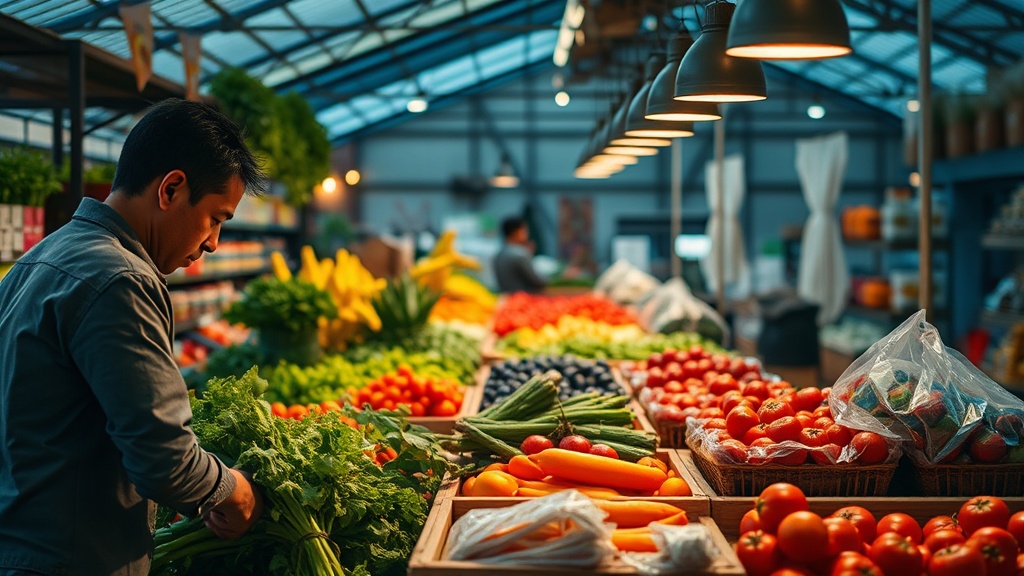
Réduire votre facture d'épicerie grâce aux applications de surplus alimentaire

Too Good To Go : Sauvez des paniers gourmands
Flashfood : Des produits frais à prix cassés
FoodHero : Évitez le gaspillage à petit prix
Imagine a grocery store aisle at 8:00 PM, where the lighting feels slightly dimmer and the shelves are half-empty, yet tucked away in the corner is a perfect-looking box of artisanal pasta or a bag of organic spinach that's slated for the bin. This post explains how you can use surplus food apps to claim these items at a fraction of their retail price. It's about more than just saving a few cents; it's about turning potential waste into your next budget-friendly meal.
Food waste is a massive issue in North America. Every year, tons of perfectly edible food end up in landfills simply because they didn't meet a specific aesthetic standard or were nearing their "best before" date. Fortunately, technology is catching up. We're seeing a surge in platforms that connect local businesses with hungry consumers looking for a deal.
Quelles sont les meilleures applications pour le surplus alimentaire ?
Les meilleures applications pour réduire vos dépenses alimentaires sont principalement Too Good To Go, Flashfood et Karma. Ces plateformes permettent d'acheter des paniers surprises ou des produits proches de la date de péremption à des prix très bas.
Each app has its own way of doing things. If you want a complete meal or a selection of baked goods, you'll likely look toward bakery-focused apps. If you're looking for raw ingredients like meat or produce, grocery-specific apps are your best bet. It's worth noting that availability depends heavily on your specific location and the density of local retailers in your area.
- Too Good To Go: This is the heavyweight champion of "surprise bags." You don't always know exactly what you're getting, but you can grab a bag from places like Starbucks or local bakeries for a third of the price.
- Flashfood: This app is a game-changer for your weekly grocery list. It focuses on items in grocery stores that are nearing their best-before date. You can often find meat, dairy, and produce at 50% off or more.
- Karma: Similar to Too Good To Go, this app focuses on restaurants and cafes. It's great for when you want a quick lunch or dinner but don't want to pay full menu prices.
I've used these apps during months when my budget felt particularly tight, and they've been lifesavers. Just don't expect to pick every single item in the bag—the "surprise" element is part of the deal (and the savings).
Comment fonctionne le concept des paniers surprises ?
Le concept des paniers surprises consiste à acheter un ensemble de produits invendus à un prix réduit, sans savoir exactement le contenu précis à l'avance. Les commerçants utilisent ces applications pour écouler leurs stocks avant qu'ils ne deviennent inutilisables.
Think of it as a mystery box for your kitchen. A bakery might have several croissants left over at closing time. Instead of throwing them out, they list a "Surprise Bag" on the app. You pay a small fee, pick it up at a designated time, and walk away with a bounty of pastries. It's a win-win for your wallet and the environment.
Here's a quick breakdown of what to expect:
| Type de Panier | Contenu Typique | Avantage Principal |
|---|---|---|
| Boulangerie/Café | Pains, viennoiseries, sandwichs | Petit déjeuner ou collation |
| Épicerie | Fruits, légumes, produits laitiers | Ingrédients pour la semaine |
| Restaurants | Plats préparés, restes du jour | Dîner ou souper rapide |
One thing to keep in mind: always check the pickup window. If you miss your time slot, you're out of luck. These apps are built on real-time availability, so there's no room for procrastination.
Est-ce que les produits sont encore sécuritaires à consommer ?
Oui, les produits sont tout à fait sécuritaires car ils sont vendus avant d'atteindre leur date de péremption réelle ou parce qu'ils ne répondent plus aux standards esthétiques des détaillants. Il est important de distinguer la date de "meilleur avant" de la date de "sécurité alimentaire".
The "Best Before" date is often about quality, not safety. A box of cereal or a jar of pasta sauce is still perfectly fine to eat even if it's a day past its peak flavor. However, you should always use your common sense. If something looks, smells, or feels off, don't eat it. The apps are designed to help you avoid waste, not to compromise your health.
For more technical information on how food safety works, you can visit the Government of Canada food safety page. Understanding the difference between "Best Before" and "Use By" can save you from unnecessary panic (and wasted money).
I've found that many people get caught up in the "perfection" of grocery shopping. We want the perfectly shaped cucumber or the freshest-looking berries. But these apps offer a way to bypass that consumerist trap. You get the nutrition and the flavor without the premium price tag.
If you're already looking for ways to optimize your monthly spending, you might want to check out our post on auditing your monthly bills. Reducing your food costs is just one piece of the larger puzzle of managing a household budget.
A common question I get is: "Is it worth the effort to check these apps every day?" Honestly, it depends on your routine. If you're a person who plans every meal three days in advance, these apps might feel a bit chaotic. But if you're a flexible cook who can work with whatever ingredients come your way, you'll find they are incredibly rewarding.
For example, if you grab a surplus bag of vegetables, you might not be making your usual roasted chicken. You might end up making a hearty vegetable soup or a stir-fry instead. It forces a bit of creativity in the kitchen, which I actually find quite fun.
That said, don't rely on these apps as your *only* source of food. They are tools to supplement your shopping, not a replacement for a stable pantry. You still need the basics—staples like rice, flour, and oil—to build a reliable kitchen.
The more you use them, the better you' become at spotting the best deals. You'll start to notice which local shops have the best "surprise" offerings. Some bakeries might offer incredible value, while others might just give you a bag of stale bread. It's a learning process, but the high-reward moments make it worth the time.
If you're interested in more ways to save, don't forget to look through our guide des soldes et promotions au Quebec. There are so many hidden ways to keep more money in your pocket if you know where to look.
Ultimately, using surplus food apps is a way to align your spending with your values. You're saving money, reducing waste, and supporting local businesses that are trying to be more sustainable. It's a small way to make a positive impact from your smartphone.